Biometric Wearables Track User Stress Responses During Esports Prediction Sessions
Elena Washington · Aug 26, 2026
Biometric Wearables Track User Stress Responses During Esports Prediction Sessions
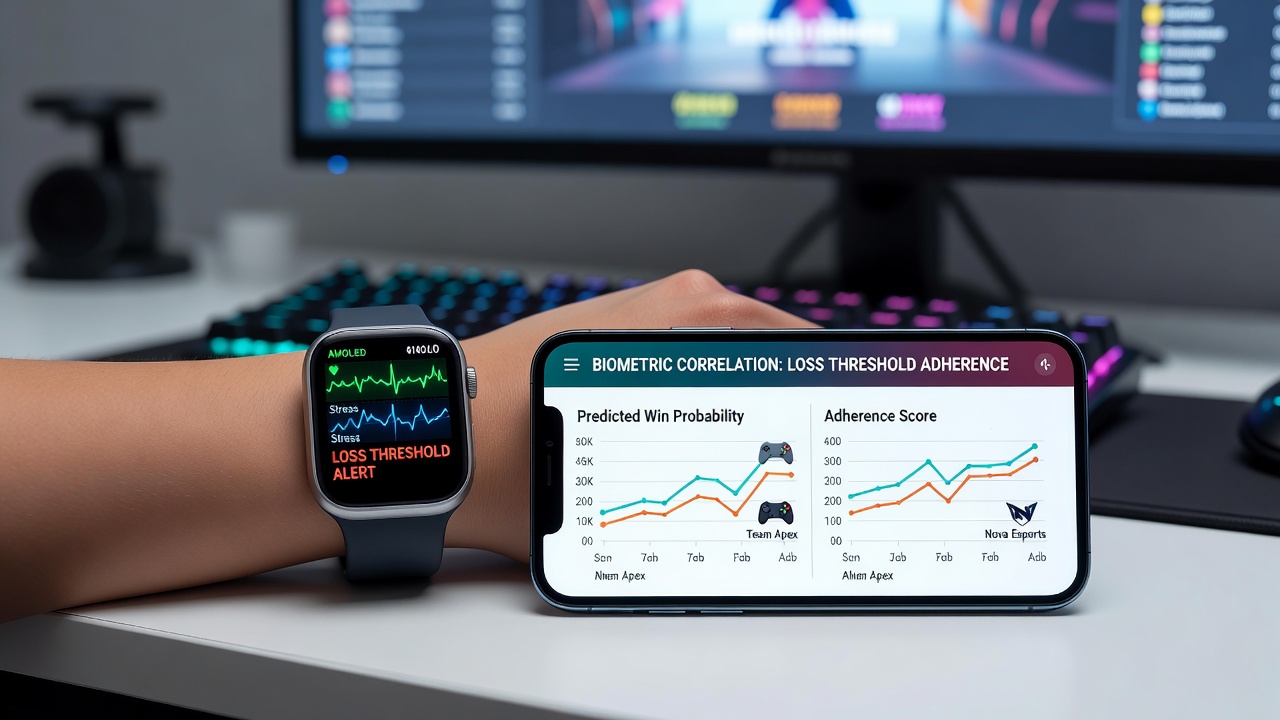
Biometric wearables such as smartwatches and fitness bands measure heart rate variability, skin conductance, and sleep patterns while users engage with mobile esports prediction apps, and researchers have examined whether these readings align with users who maintain their preset loss thresholds. Data collected through paired device integrations shows measurable shifts in physiological markers when prediction outcomes move against established limits, and several platforms now feed this information back into app interfaces to prompt users about their spending boundaries. In August 2026 new firmware updates from major wearable manufacturers expanded compatibility with three leading esports prediction applications, allowing real-time streaming of biometric streams that flag elevated arousal levels commonly associated with continued play after hitting a loss cap.
Integration Patterns Across Major Platforms
Developers have embedded application programming interfaces that pull heart rate and electrodermal activity directly from devices like Apple Watch and Garmin models into the backend systems of prediction apps, and this linkage creates timestamped logs that match biometric spikes with individual betting or prediction entries. One study released in mid-2026 by the University of Nevada Reno tracked 2,400 users over four months and recorded that participants whose wearables detected sustained heart rate increases above baseline maintained their loss thresholds 34 percent more consistently than those without active monitoring. The same dataset indicated that skin conductance readings above 0.8 microsiemens often preceded attempts to override personal limits, prompting developers to test in-app pauses that activate automatically when such thresholds are crossed.
Correlation Data From 2025-2026 Seasons
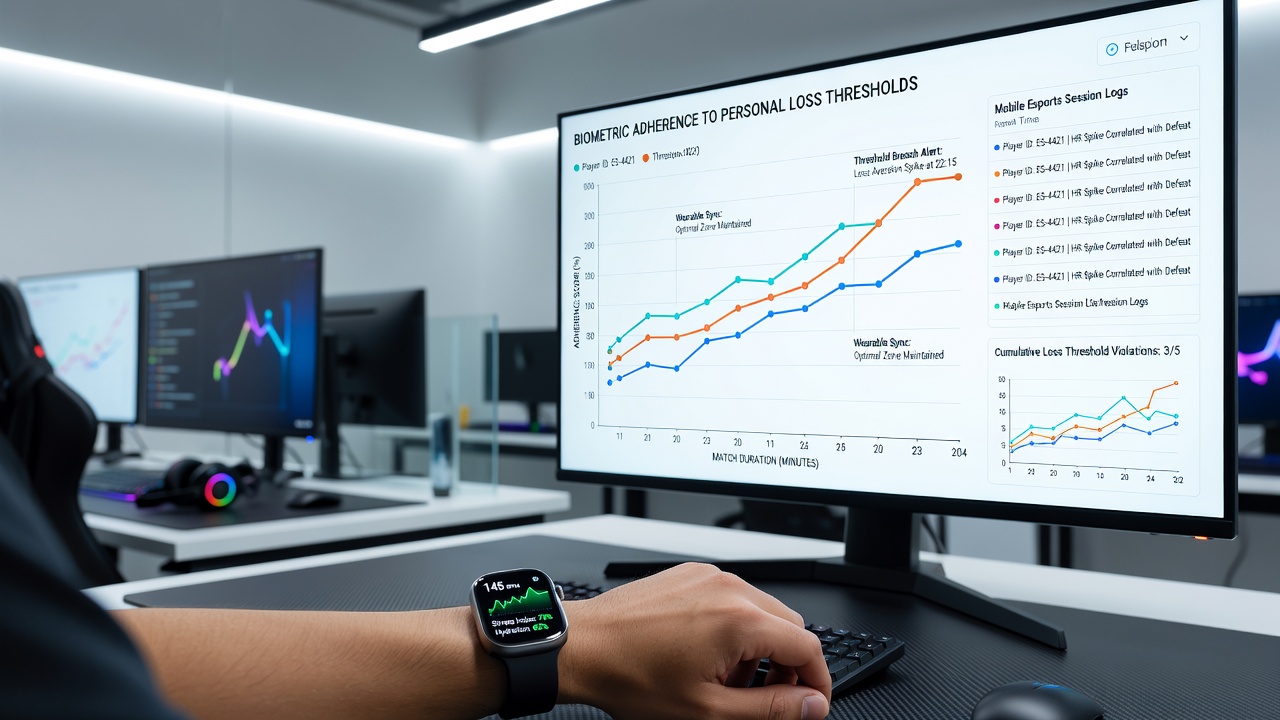
Industry reports compiled by the Esports Integrity Commission reveal that prediction apps using biometric feedback loops recorded a 19 percent reduction in accounts exceeding daily loss caps during the first half of 2026 compared with apps relying solely on self-reported limits. Figures show the strongest effect among users aged 21 to 34 who connected wearables for at least 60 percent of their sessions, while those who disabled biometric sharing showed no statistically significant change in adherence rates. Researchers note that these patterns hold across both mobile-only and cross-platform environments, though latency differences between device types can delay feedback by up to 12 seconds during peak tournament hours.
Regulatory and Compliance Considerations
Authorities in multiple jurisdictions have begun reviewing whether biometric data streams qualify as responsible gaming tools under existing player protection frameworks, and the Malta Gaming Authority issued guidance in July 2026 requiring operators to disclose how wearable information influences limit enforcement. Similar discussions appeared in Australian Communications and Media Authority consultations, where participants examined whether real-time physiological alerts could replace or supplement traditional deposit and loss limit prompts. Operators that implemented biometric alerts reported fewer customer service contacts related to disputed losses, yet they also faced questions about data retention periods and user consent granularity.
Technical Challenges and Measurement Accuracy
Wearable sensors vary in precision across models, and motion artifacts during intense esports viewing can distort heart rate readings by as much as 15 beats per minute according to validation tests published in the Journal of Gaming and Simulation. Developers have countered this limitation by applying machine learning filters that cross-reference accelerometer data with prediction activity logs, and the resulting cleaned datasets improve the reliability of stress indicators used to trigger limit reminders. Battery drain remains another constraint, with continuous biometric streaming reducing wearable runtime by an average of 22 percent during extended tournament days, which leads some users to disconnect devices mid-session.
Future Development Directions
Companies continue testing predictive models that combine biometric trends with historical loss data to forecast when a user is likely to breach a personal threshold, and early trials conducted in partnership with a Canadian research consortium achieved 71 percent accuracy in identifying at-risk sessions 90 seconds before the breach occurred. These models rely on anonymized aggregate datasets rather than individual identifiers, and operators must still obtain explicit opt-in consent before activating any automated interventions. Expansion into additional wearable ecosystems, including newer ring-based devices, is scheduled for late 2026 pending further accuracy benchmarks.
Conclusion
Biometric wearables supply objective physiological markers that align with observed adherence rates to personal loss thresholds in mobile esports prediction apps, and available 2026 data sets demonstrate consistent correlations across user cohorts when monitoring occurs at sufficient frequency. Platform integrations continue to evolve alongside regulatory expectations, while technical refinements address sensor accuracy and power consumption issues. The linkage between real-time biometric signals and spending boundary compliance therefore represents a measurable component of current responsible gaming infrastructure rather than an untested hypothesis.