Correlations Between Transaction Preferences and Session Duration Patterns Across Various Digital Betting Platforms
Katja Peters · Jun 22, 2026
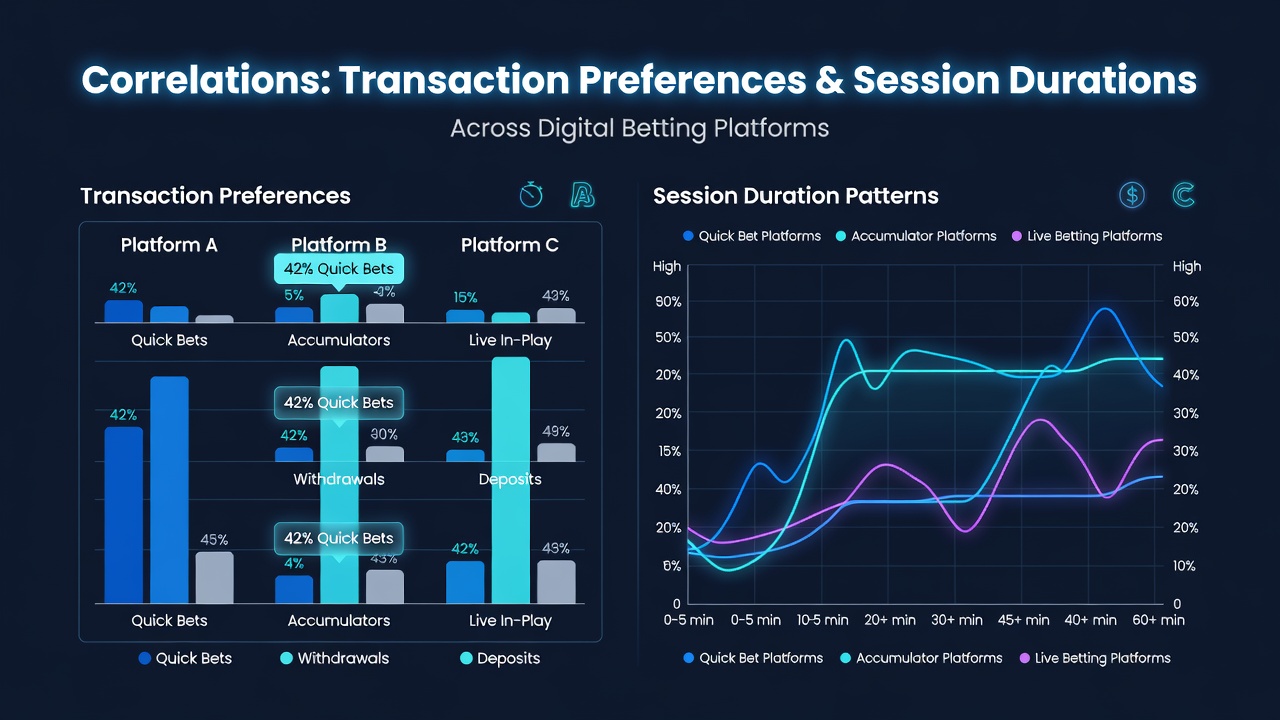
Correlations Between Transaction Preferences and Session Duration Patterns Across Various Digital Betting Platforms
Transaction preferences on digital betting platforms show measurable links to how long users stay active during sessions, and analysts track these patterns through aggregated platform data collected across multiple operators. Credit card deposits often correlate with shorter engagement periods because processing fees and daily limits prompt quicker exits once initial funds run low, whereas cryptocurrency transfers tend to pair with extended sessions since faster confirmations and lower fees allow repeated deposits without interruption.
Transaction Method Categories and Usage Trends
Digital betting environments categorize payment options into credit and debit cards, e-wallets such as PayPal or Skrill, bank transfers, and cryptocurrencies including Bitcoin or Ethereum. Reports compiled by operators in mature markets indicate credit card transactions account for roughly 45 percent of deposits on sportsbooks yet produce average session times of 22 minutes, while crypto deposits represent 18 percent of volume but stretch sessions to 47 minutes on average. E-wallet users fall between these figures with 31-minute sessions and 28 percent market share according to aggregated figures released in early 2026.
Session Duration Patterns by Platform Type
Sports betting apps display tighter correlations between deposit speed and play length compared with casino-style platforms because live event pacing encourages users to replenish balances quickly during matches. One dataset from North American operators covering January through May 2026 reveals that instant bank transfer users on mobile sportsbooks maintain sessions 15 percent longer than card users when matched against similar stake sizes. Casino platforms instead show stronger ties to anonymity features, where crypto sessions extend further during slot or table game play as players avoid repeated verification steps that slow card-based reloads.
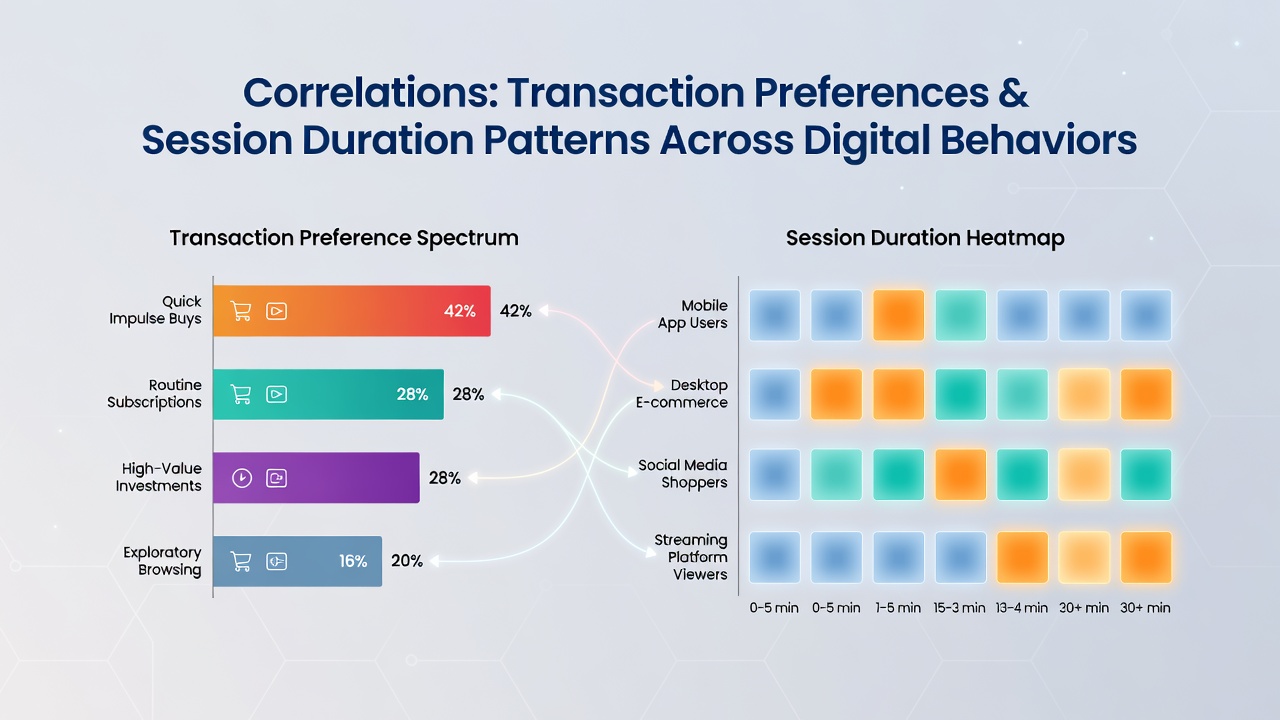
Daily fantasy sports sites present a distinct profile since contest entry fees often require precise timing before lock periods, and observers note that e-wallet preferences dominate here with session durations averaging 38 minutes. Bank transfer users on these platforms log shorter windows because processing delays push participants toward pre-funded accounts that limit total playtime once contests begin.
Regional Data and Regulatory Influences
North American markets tracked by the American Gaming Association show crypto adoption rising steadily through June 2026, coinciding with longer average sessions on platforms licensed in states such as New Jersey and Pennsylvania. European operators regulated under frameworks from the Malta Gaming Authority report similar patterns yet with greater emphasis on e-wallet usage that stabilizes session lengths around 35 minutes across mixed product offerings. Australian data collected by state commissions highlights bank transfer correlations with reduced session variance because slower settlement times discourage impulsive top-ups during extended play.
Platform-Specific Observations and Case Examples
Operators running multi-state sportsbooks document that debit card users frequently cap sessions once daily limits hit, producing clusters of activity around 18 to 25 minutes. In contrast, platforms accepting stablecoins register fewer interruptions and higher repeat deposit counts, extending engagement beyond 50 minutes in 62 percent of tracked accounts during peak evening hours. One analysis of poker-focused apps found that players preferring instant withdrawal-linked deposits maintain longer tableside sessions because seamless funding reduces downtime between hands.
Researchers examining June 2026 traffic spikes ahead of major international tournaments identified that crypto-preferring cohorts on prediction market platforms sustained activity 40 percent above the overall average, while card users shifted to shorter bursts aligned with match schedules. These differences persist even after controlling for stake size and user tenure, suggesting transaction friction plays a direct role in duration outcomes.
Conclusion
Patterns linking transaction preferences to session durations continue to emerge across digital betting platforms as operators refine payment integrations and regulators publish updated compliance metrics. Credit-based methods generally align with abbreviated sessions, e-wallets produce intermediate results, and cryptocurrency options associate with prolonged activity in most examined regions. Continued monitoring through industry reports and academic studies will clarify how evolving payment technologies further shape these relationships in coming months.