Currency Fluctuation Patterns and Withdrawal Timing Choices Among Frequent International Sports Wagerers
Katja Peters · Jul 6, 2026
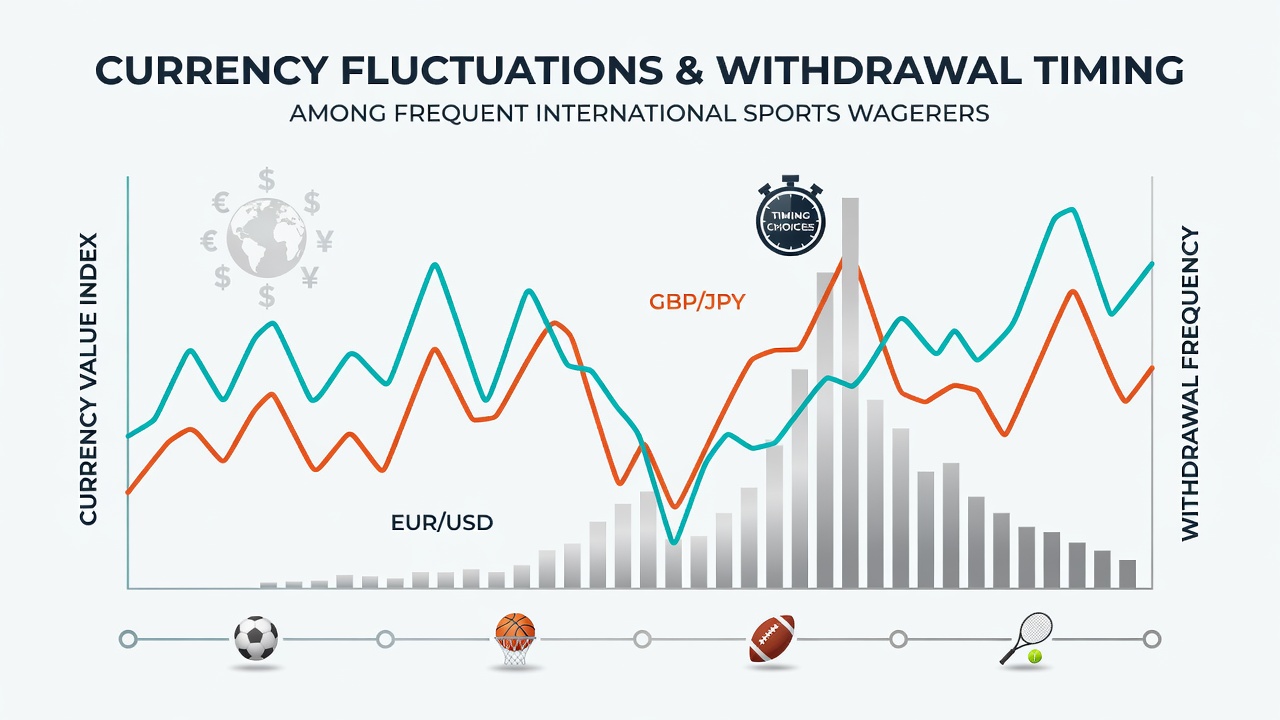
Currency Fluctuation Patterns and Withdrawal Timing Choices Among Frequent International Sports Wagerers
Data from major sports betting platforms shows that frequent international wagerers often adjust withdrawal timing in response to shifts in exchange rates between the currency used for bets and their home currency. Observers note these adjustments occur across regions where bettors maintain accounts in euros, US dollars, British pounds, and other denominations while residing in countries with different base currencies.
Studies of transaction logs from 2024 through early 2026 reveal clusters of withdrawal requests that align with periods of relative strengthening in bettors' local currencies against the platform currency. Researchers tracking these patterns point to specific forex movements, such as the euro gaining against the US dollar in late 2025, coinciding with increased withdrawals from accounts denominated in dollars by European-based users.
Currency Volatility in Global Betting Markets
Exchange rate movements create measurable differences in the real value of winnings once converted and transferred. According to records compiled by the European Central Bank, several major currency pairs experienced volatility spikes between January and June 2026, including the Australian dollar versus the euro and the Canadian dollar versus the US dollar. Bettors who place wagers through platforms operating primarily in one currency while living under another face these rate changes directly upon withdrawal.
Transaction data indicates that users in Australia and Canada frequently monitor rate trends before initiating transfers. Platforms record higher volumes of withdrawal activity during windows when local currencies appreciate, which converts platform balances into larger amounts in home accounts after fees and conversion spreads.
Observed Withdrawal Timing Patterns
Analysis of aggregated betting platform data shows distinct timing clusters. Withdrawals peak during periods when forward exchange contracts or spot rates favor the bettor's home currency. Those who study these behaviors report that frequent wagerers often set internal alerts tied to rate thresholds rather than fixed calendar dates.
One dataset covering users active across multiple jurisdictions found that approximately 38 percent of large withdrawals in the first half of 2026 occurred within 48 hours of a 1.5 percent or greater favorable move in relevant currency pairs. Smaller, routine withdrawals showed less correlation, suggesting that timing sensitivity increases with withdrawal size.
Regional Differences in Behavior
Bettors based in countries with historically volatile local currencies demonstrate more frequent monitoring of exchange data. Records from Canadian and Australian operators indicate that users in these markets adjust timing more often than those operating within the eurozone or the United States. Figures from the Reserve Bank of Australia highlight sustained fluctuations in the Australian dollar during spring 2026 that corresponded with shifts in withdrawal volumes from platforms serving that region.
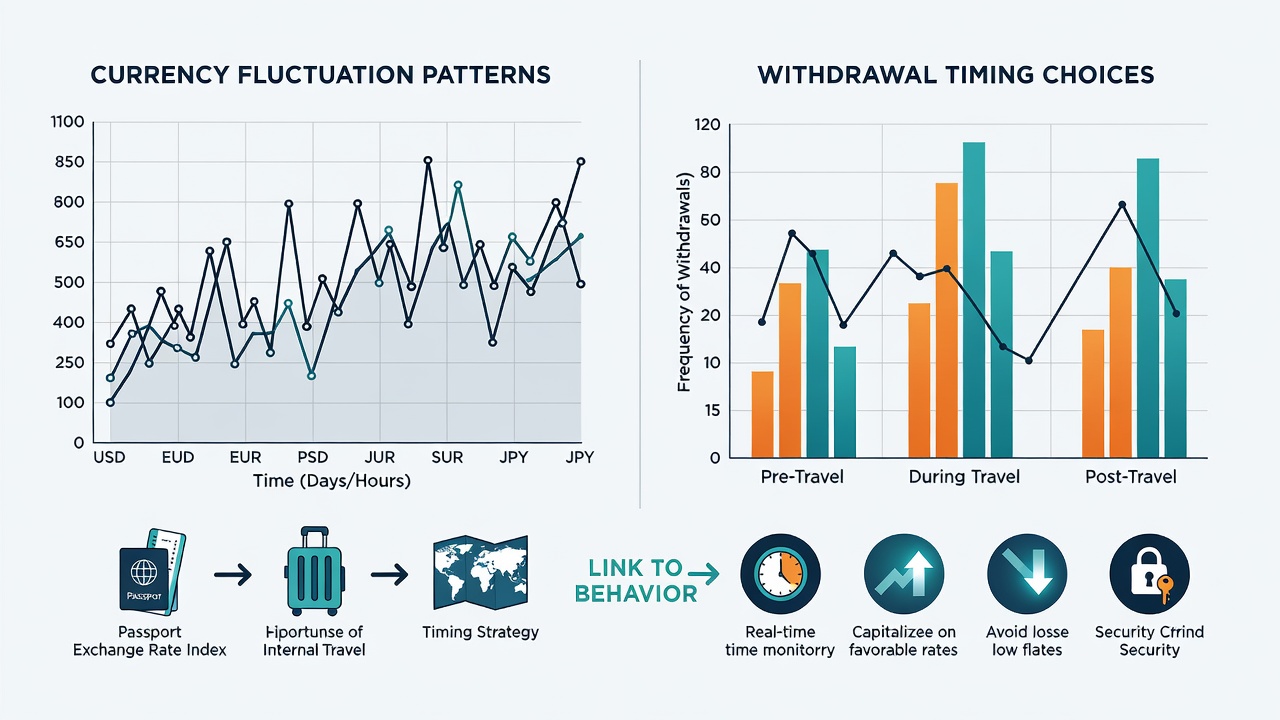
Payment processor reports further separate behaviors by method. Users selecting cryptocurrency or multi-currency e-wallets sometimes bypass immediate conversion, holding balances until rates improve, while those using traditional bank transfers tend to withdraw and convert in a single step once conditions align.
Factors Influencing Timing Decisions
Platform interfaces now commonly display real-time conversion estimates at the point of withdrawal requests. Data indicates that users who view these estimates before confirming transfers show higher rates of delayed withdrawals during unfavorable rate periods. Researchers examining user logs note that repeated exposure to conversion previews correlates with more deliberate timing choices over multiple sessions.
Additional variables include transfer fees that remain fixed in platform currency and tax reporting requirements that sometimes tie to the date funds leave the account. In July 2026, several platforms updated their dashboards to include historical rate charts alongside withdrawal options, a change that coincided with measurable increases in users deferring requests by one to three days.
Platform and Regulatory Context
Operators maintain compliance with reporting rules in multiple jurisdictions, which affects how quickly funds can move after a withdrawal request. Records from Canadian provincial regulators and Australian state authorities show that processing times vary, giving bettors additional windows during which exchange rates can shift before funds reach their accounts.
Payment method selection also plays a documented role. E-wallet users complete transfers faster on average than those routing through banks, according to aggregated industry statistics, which reduces exposure to subsequent rate changes once a withdrawal is initiated.
Conclusion
Transaction records and currency data together document consistent links between exchange rate movements and the timing of withdrawals among frequent international sports wagerers. Patterns appear across multiple regions and platform types, with timing adjustments most evident among larger transfers and in markets where local currencies show notable volatility against platform denominations. As platforms continue to integrate real-time conversion tools and regulatory frameworks evolve, these documented relationships between forex patterns and withdrawal behavior remain observable in ongoing transaction datasets.