Decoding Intersections Between Geolocation Tech and Multi-State Compliance in Niche Esports Prediction Pools
Elena Washington · Jun 10, 2026
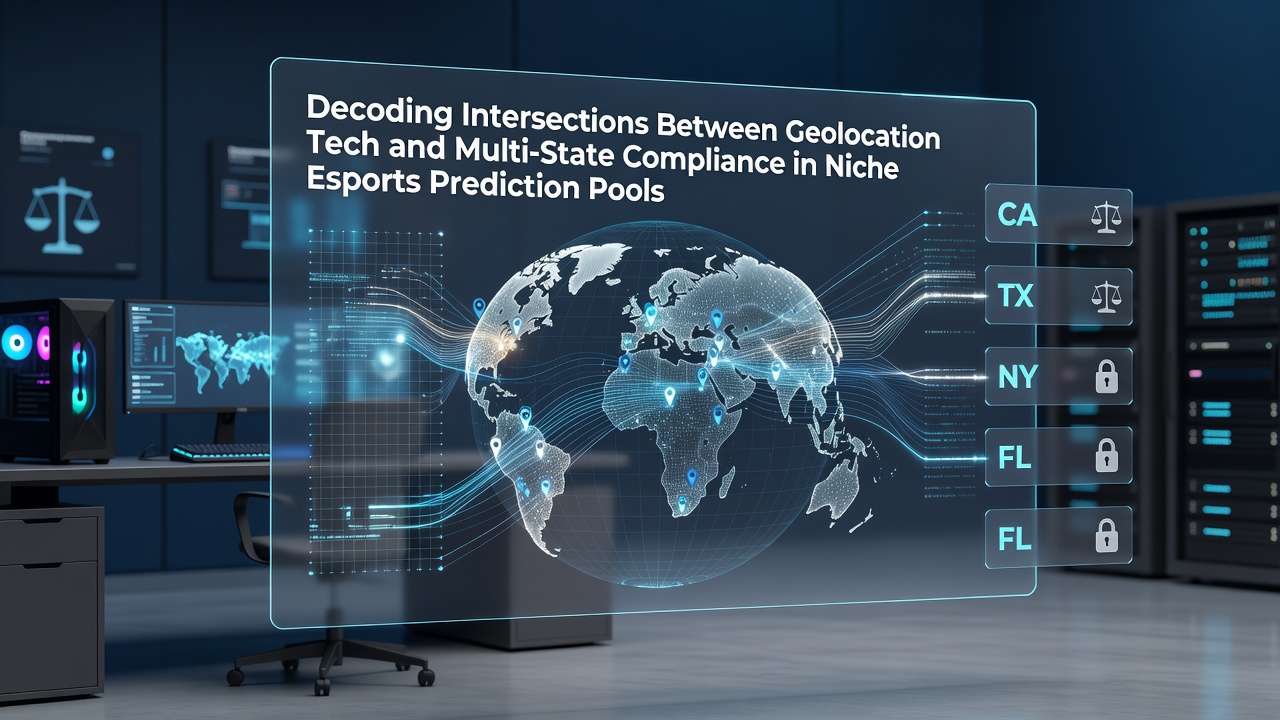
Decoding Intersections Between Geolocation Tech and Multi-State Compliance in Niche Esports Prediction Pools
Geolocation technology intersects with multi-state compliance requirements in niche esports prediction pools through precise location verification systems that determine user eligibility based on varying state regulations, and these systems rely on IP address mapping combined with GPS data along with Wi-Fi triangulation to confirm whether participants reside in jurisdictions that permit such activities.
States maintain distinct rules around prediction markets that involve esports titles like League of Legends or Valorant, which means operators must adjust access dynamically rather than apply uniform policies nationwide, while data from regulatory filings shows that compliance failures often stem from outdated location databases that fail to account for border regions or mobile network shifts.
Core Mechanisms of Location Verification Systems
Operators deploy geolocation tools that cross-reference multiple data points in real time, and these tools generate compliance logs that regulators review during audits, yet the process becomes complicated when users connect through VPNs or proxy servers because platforms must then trigger additional authentication steps such as device fingerprinting or manual address confirmation to maintain legal standing.
Research indicates that integration with state-specific geofencing databases allows platforms to block access within seconds of detecting an unauthorized location, and this capability proves essential for niche esports pools where bettors predict outcomes on lesser-known tournaments that fall outside mainstream oversight frameworks.
Regulatory Variations Across Jurisdictions
Each state sets its own thresholds for what constitutes a legal prediction pool, and these differences create operational hurdles for platforms serving users in multiple locations simultaneously, whereas some states classify esports predictions as skill-based contests while others treat them under broader gaming statutes that impose stricter licensing and tax obligations.
According to reports from the Michigan Gaming Control Board, operators must maintain audit trails that demonstrate continuous location monitoring, and similar requirements appear in emerging frameworks from other regions that handle daily fantasy and prediction products, yet enforcement patterns reveal that platforms face penalties when verification gaps allow even brief access from restricted zones.
As of June 2026 several states updated their geolocation mandates to include mandatory re-verification every fifteen minutes during active sessions, and these changes reflect efforts to close loopholes that previously permitted users to move across state lines without detection during live esports events.
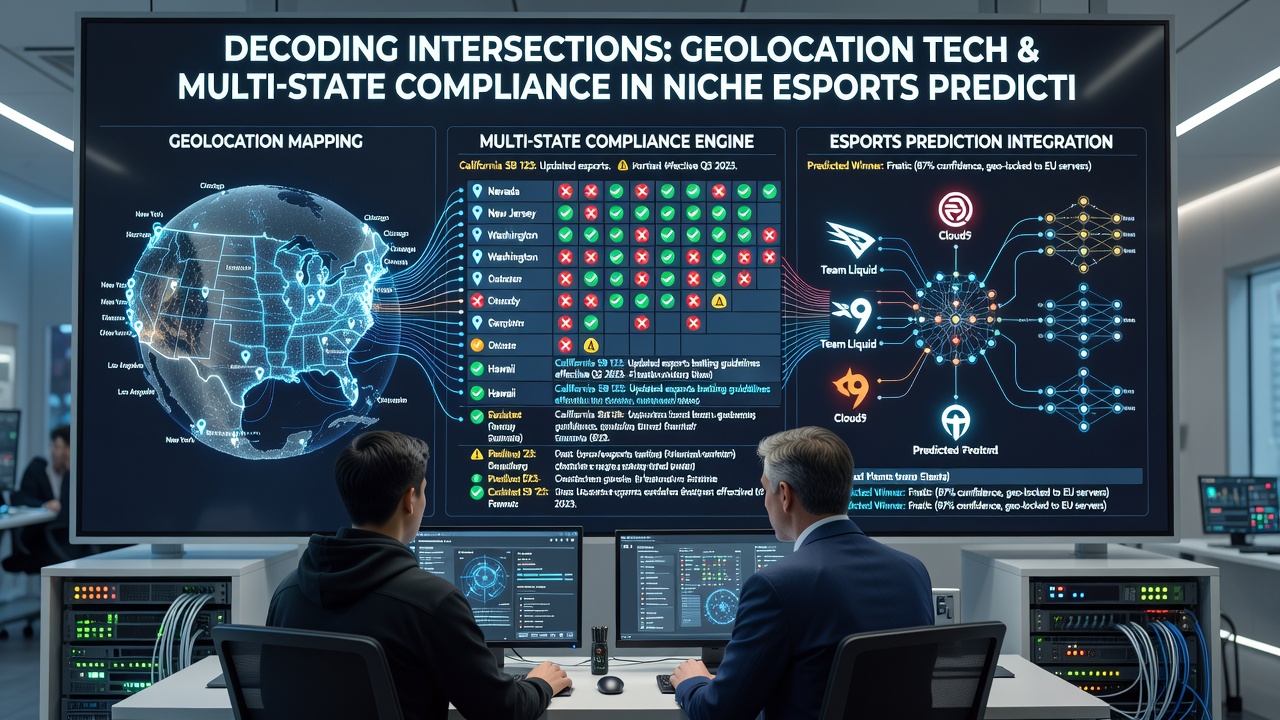
Operational Challenges in Niche Esports Environments
Niche esports prediction pools often focus on regional or amateur circuits rather than global leagues, which means participant locations cluster in specific areas that may straddle regulatory boundaries, and operators therefore invest in granular mapping technologies that distinguish between adjacent counties with conflicting rules.
Industry data reveals that smaller platforms encounter higher relative costs when scaling compliance infrastructure because they lack the volume to negotiate favorable rates with geolocation service providers, while larger entities spread these expenses across broader user bases and still encounter edge cases involving international participants who temporarily enter U.S. states with permissive laws.
Observers note that tournament organizers sometimes partner directly with prediction platforms to share participant location data in advance, and such collaborations reduce verification friction during high-volume events yet introduce new data privacy considerations under varying state statutes.
Emerging Technologies and Compliance Integration
Advanced geolocation solutions now incorporate blockchain-based logging to create immutable records of location checks, and these records support regulatory reporting requirements without exposing individual user details beyond what statutes mandate, whereas machine learning models help predict and flag potential compliance risks before they result in unauthorized access.
Evidence from academic studies at institutions focused on digital policy shows that hybrid verification approaches combining satellite data with cellular tower triangulation achieve accuracy rates above 99 percent in urban environments, and rural areas present ongoing challenges that operators address through supplemental manual review processes.
Platforms reference guidelines from the Australian Communications and Media Authority when developing cross-border strategies because those standards emphasize transparent location handling that aligns with multi-jurisdictional demands in the U.S. market as well.
Conclusion
The interplay between geolocation technology and multi-state compliance continues to shape how niche esports prediction pools operate, and successful platforms adapt by maintaining flexible systems that respond to regulatory updates while preserving user access where legally permitted, yet the landscape requires ongoing investment in both technical infrastructure and legal expertise to avoid disruptions.