Deposit Choices Revealing Patterns in Self-Imposed Limits Among Frequent Casino App Users
Eden Long · Aug 24, 2026
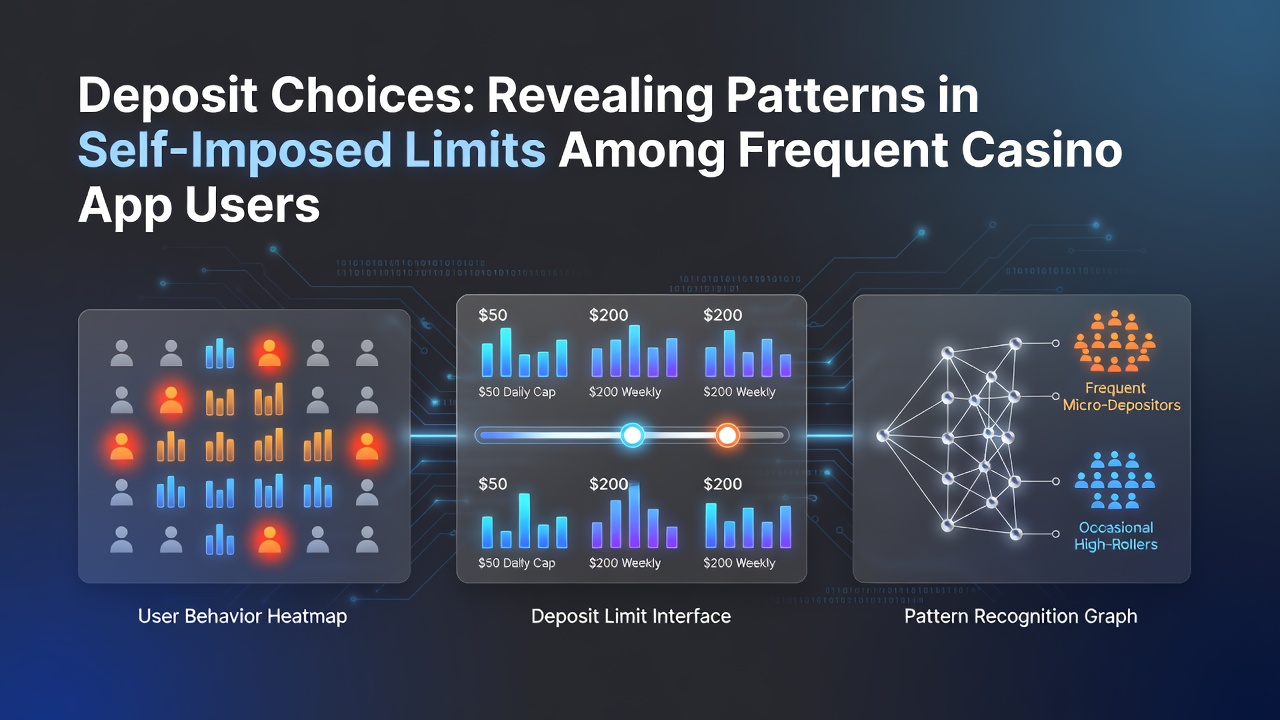
Deposit Choices Revealing Patterns in Self-Imposed Limits Among Frequent Casino App Users
Data from multiple regulatory tracking systems shows that frequent casino app users select deposit methods in patterns that align with how they set and follow voluntary spending caps, and those connections have become clearer in analyses covering the first half of 2026. Credit card deposits continue to dominate volume at many platforms while e-wallet and bank transfer options appear more often among accounts that maintain tighter daily or weekly thresholds. Researchers tracking user cohorts across several U.S. states and Canadian provinces note that payment choice correlates with limit-setting behavior even after controlling for overall activity levels.
Payment Methods and Limit-Setting Frequency
Figures compiled by state gaming commissions reveal that users who deposit via e-wallets adjust their self-imposed limits more frequently than those relying on direct bank transfers or credit cards. In one dataset covering operators licensed in New Jersey and Pennsylvania, 62 percent of e-wallet accounts modified at least one limit parameter during the first eight months of 2026 compared with 41 percent of credit card accounts. Bank transfer users fell in between at 53 percent. The same records indicate that e-wallet users also activate deposit limits at higher rates within the first 30 days of account registration.
Observers tracking these metrics point to built-in friction in certain payment flows as one contributing factor. E-wallet services often require separate authentication steps that coincide with the moment users review responsible gambling tools, whereas saved credit card details allow quicker top-ups without revisiting limit screens. Studies examining session logs from major apps confirm that users who encounter limit prompts during the deposit sequence maintain those limits longer on average.
Regional Data Through August 2026
August 2026 reports from the Massachusetts Gaming Commission and the Ontario Lottery and Gaming Corporation both document rising adoption of instant bank transfer options alongside stable credit card usage. In Massachusetts, bank transfers accounted for 28 percent of total deposit volume in the most recent monthly summary, up from 19 percent twelve months earlier. Ontario figures show a similar shift, with bank transfer share reaching 31 percent. Across both jurisdictions, accounts using bank transfers recorded the lowest rate of limit increases during the period, suggesting that users who select this method tend to commit to lower ceilings from the outset.
Additional breakdowns highlight differences by user tenure. Accounts active for more than twelve months display stronger alignment between deposit method and limit adherence than newer accounts. Long-term users who began with credit card deposits but later switched to e-wallets showed measurable tightening of limits within two months of the switch, according to aggregated operator data shared with academic research teams.
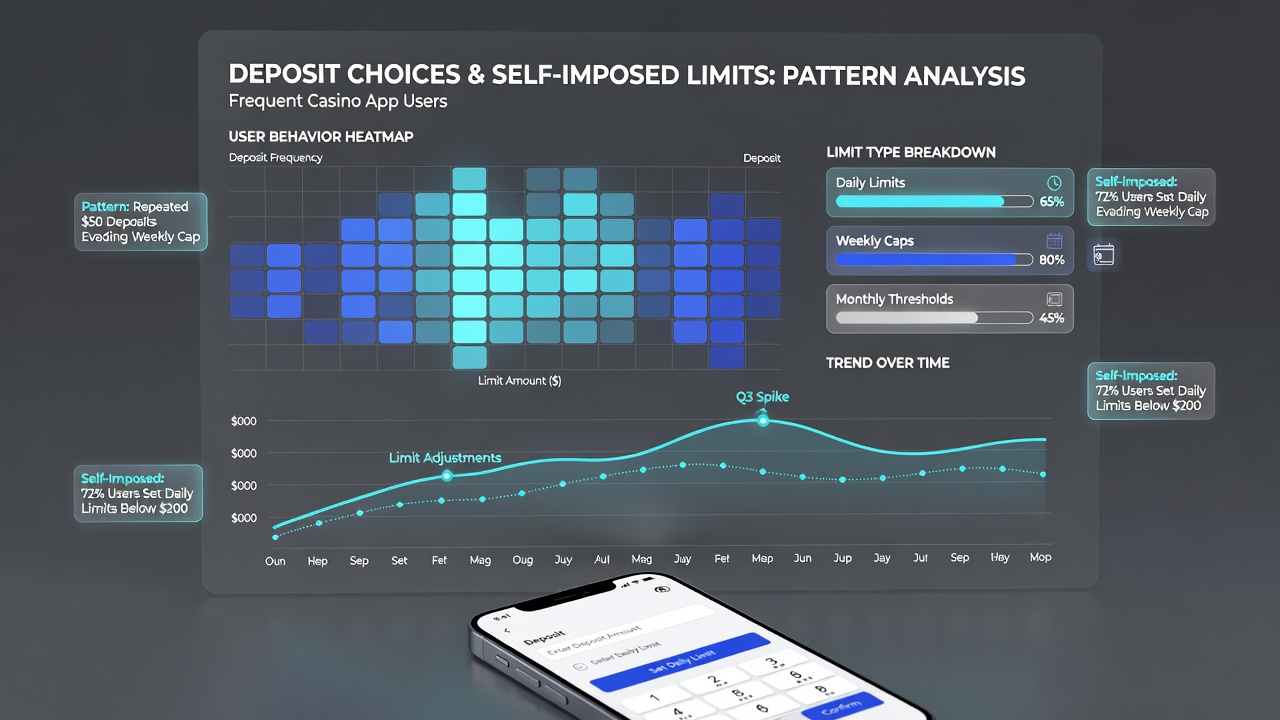
Demographic and Behavioral Correlations
Analyses conducted by university research groups in collaboration with licensed operators find that age and deposit method interact in predictable ways. Users aged 25 to 34 who prefer e-wallets set the lowest average monthly caps relative to their deposit volume, while those over 45 who use credit cards maintain higher caps even when activity metrics remain comparable. Gender splits appear smaller once deposit method is held constant, although female users across all age groups activate time-based limits at slightly higher rates than male users.
Session data further indicates that deposit method influences the timing of limit adjustments. Credit card users tend to raise limits during evening hours after larger wins, whereas e-wallet users make changes more evenly across the day and more often in response to cumulative weekly spend rather than single-session outcomes. These timing differences persist in datasets from both regulated U.S. markets and Canadian provinces.
Platform Features Influencing Choices
Many casino apps now surface limit-setting options directly within the deposit workflow, and the visibility of those prompts varies by payment provider integration. Operators that link e-wallet APIs to responsible gambling dashboards record higher completion rates for limit configuration. In contrast, credit card integrations that bypass the dashboard until after the transaction completes show lower engagement with those same tools. Industry reports compiled by the American Gaming Association document that platforms offering one-click limit review at every deposit see 17 percent greater adherence to self-set caps among frequent users.
Payment method availability also shapes initial choices. Jurisdictions that restrict credit card deposits push more users toward e-wallets and bank transfers from the start, and those markets record correspondingly higher rates of limit activation. Data shared by operators in such regions shows that the shift occurs rapidly, often within the first week of a new restriction taking effect.
Conclusion
Patterns emerging from deposit method data and self-limit records demonstrate consistent relationships across multiple regulated markets through August 2026. E-wallet and bank transfer selections align with more frequent limit reviews and tighter caps, while credit card usage correlates with higher ceilings and fewer adjustments. Platform design choices that integrate limit prompts into the deposit sequence amplify these tendencies, and regional policy differences further influence which methods users adopt. Continued monitoring by gaming commissions and research institutions will clarify whether these associations strengthen as new payment technologies enter the market.