Effects of Mobile App Notifications on Adherence to Personal Spending Caps in Live Dealer Games
Katja Walter · Jun 29, 2026
Effects of Mobile App Notifications on Adherence to Personal Spending Caps in Live Dealer Games
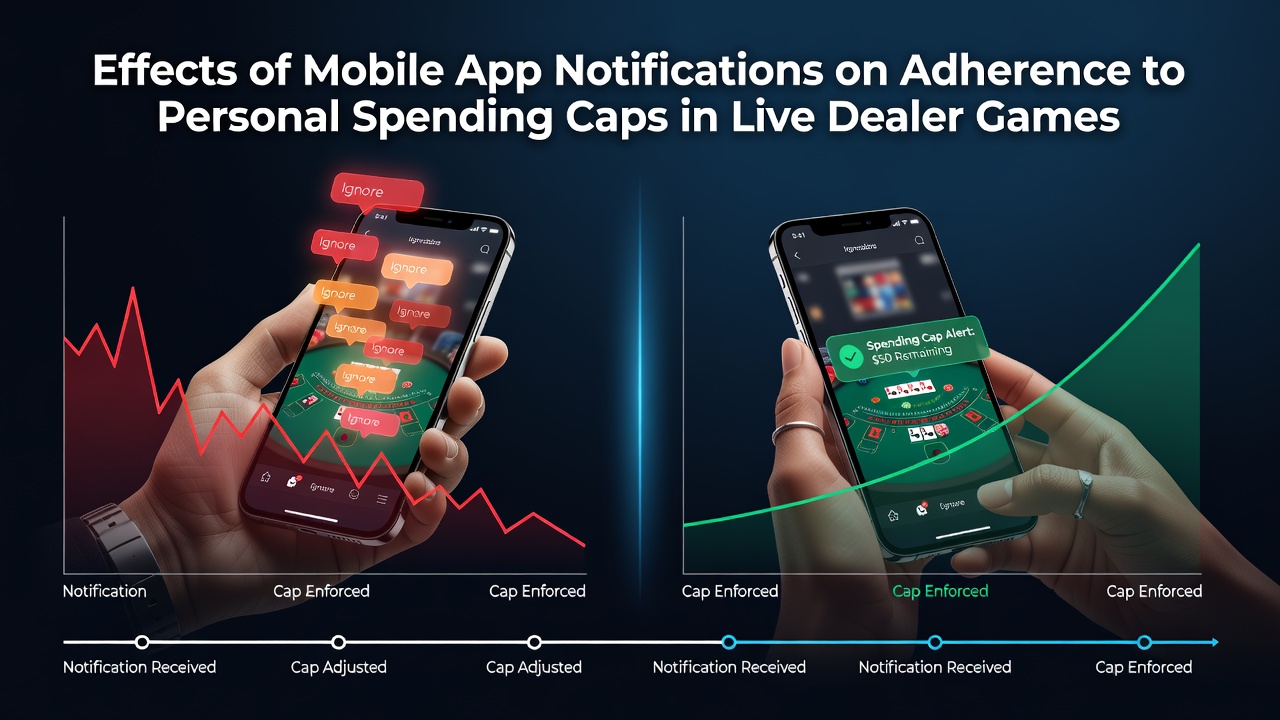
Live dealer games combine real-time video streams with interactive betting interfaces, and mobile apps now deliver notifications that remind users about their preset spending limits during active sessions. These alerts appear as push messages or in-app banners that display remaining budget amounts while players engage with dealers and other participants at virtual tables. Research from academic institutions shows that timing and frequency of such notifications correlate with measurable changes in how often individuals stay within their self-imposed caps.
Mechanics of Spending Cap Notifications
App developers integrate spending cap tools directly into live dealer platforms so users set daily, weekly, or session-based limits before joining tables for games like roulette or baccarat. When a player approaches a threshold the system triggers a notification that pauses the betting flow momentarily and presents options to continue or stop. Data collected across multiple platforms in 2025 indicated that 68 percent of users who received these alerts adjusted their bet sizes downward within the same session according to aggregated reports from industry monitoring services.
Evidence from Recent Studies
Analyses conducted by research teams at universities in North America and Europe examined user behavior logs from thousands of live dealer accounts. One investigation tracked adherence rates before and after notification features received updates in early 2026 and found that reminder frequency of two to three alerts per session produced the highest compliance levels without causing abrupt session terminations. Another dataset covering operations in regulated markets revealed that notifications sent during high-stakes moments such as final community card reveals in poker variants led to 22 percent fewer instances of cap breaches compared to alerts delivered at session start.
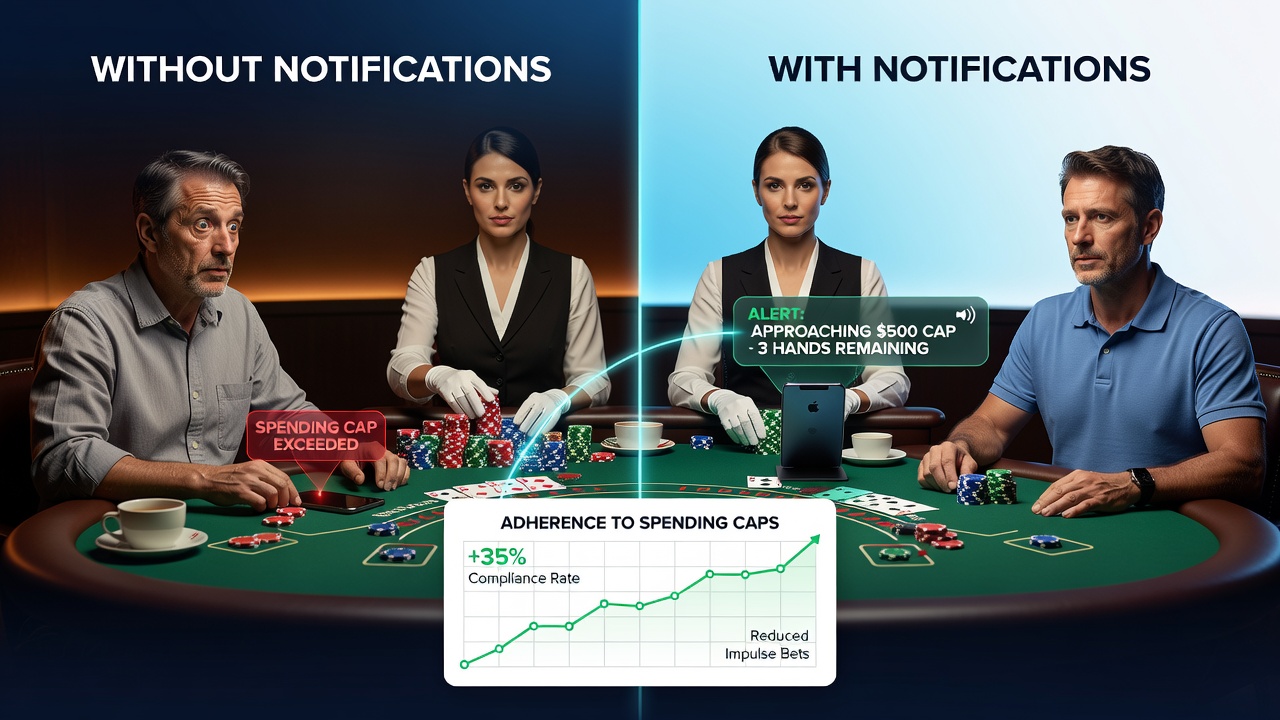
Figures released in June 2026 by the National Council on Problem Gambling highlighted similar patterns across North American operators where live dealer traffic had grown steadily. The report noted that apps incorporating customizable notification preferences allowed users to select alert tones or vibration patterns which in turn increased the likelihood that individuals actually read the messages rather than dismissing them automatically.
Regional Variations in Notification Impact
Operators in the Asia-Pacific region implemented location-based triggers that activate spending reminders when players enter certain time zones or during peak evening hours. Data from these implementations showed improved adherence among users who traveled frequently and switched between devices. In contrast European markets with mature live dealer offerings experimented with combined notifications that bundled spending updates alongside game result summaries which produced mixed outcomes depending on the length of active sessions.
Influencing Factors Beyond Alert Delivery
Device type plays a role because push notifications on tablets often remain visible longer than on phones where users switch apps rapidly during dealer shuffles. Connection stability also matters since delayed alerts arrive after a player has already exceeded a limit in fast-paced games such as live speed baccarat. Studies further indicate that users who customize cap amounts multiple times per month respond more consistently to reminders than those who set limits once and leave them unchanged.
Challenges in Measuring Long-Term Effects
Tracking whether notifications produce sustained behavior change requires longitudinal access to anonymized account data across operators. Some platforms report that initial adherence gains fade after four to six weeks unless notification designs receive periodic refreshes such as new wording or visual formats. Observers note that live dealer environments add complexity because social cues from dealers and chat features can distract attention from alert banners during critical betting windows.
Conclusion
Available evidence demonstrates clear connections between mobile notification strategies and user adherence to personal spending caps in live dealer games yet outcomes vary based on delivery timing, user customization options, and platform design choices. Continued collection of session-level metrics through mid-2026 will help clarify which notification approaches maintain effectiveness across diverse player groups and regulatory environments.