How Emerging AI Algorithms Influence Risk Assessment Patterns Among Frequent Digital Sports Bettors
Katja Peters · Jul 29, 2026
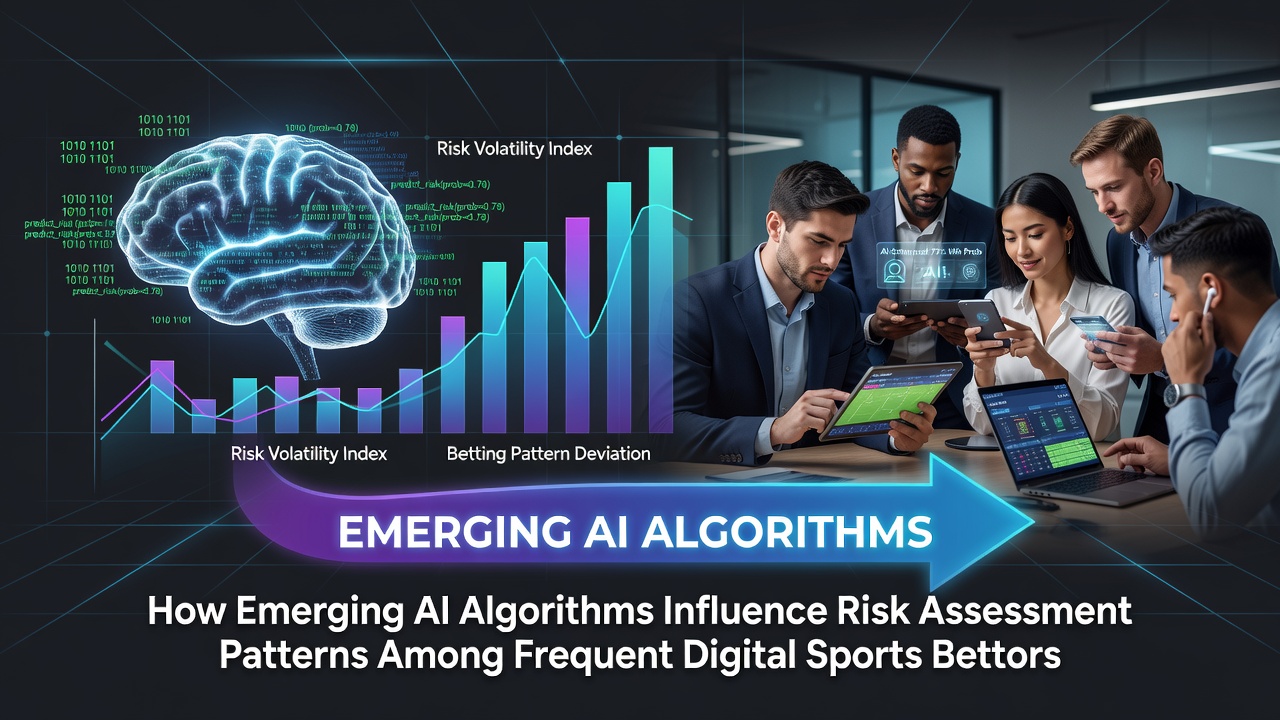
How Emerging AI Algorithms Influence Risk Assessment Patterns Among Frequent Digital Sports Bettors
Digital sports betting platforms have integrated machine learning models that process vast datasets including player statistics, weather conditions, historical performance trends, and real-time market movements, and these systems now shape how frequent bettors evaluate potential wagers. Bettors access AI-powered applications that generate risk scores for individual bets or portfolios, which leads many users to adjust stake sizes, diversify across events, or avoid certain markets based on algorithmic outputs rather than gut instinct alone.
Core Mechanisms Behind AI Risk Models
Algorithms trained on millions of past betting outcomes identify patterns that humans often overlook, such as subtle correlations between team travel schedules and underperformance in specific leagues, while also factoring in live odds shifts from sharp money flows. Frequent bettors who rely on these tools report recalibrating their exposure thresholds multiple times per session as new data streams update the models in real time. Studies from academic institutions show that users of such platforms tend to lower average wager amounts on high-volatility events when the AI flags elevated variance, whereas they increase positions on lower-risk opportunities that align with historical edges.
Data compiled through 2026 indicates adoption rates among daily bettors have climbed steadily since the start of the year, particularly in markets where mobile apps embed these features directly into the betting interface. One research team tracking user behavior across several operators found that participants using AI risk dashboards reduced consecutive losing streaks by spacing bets according to model-recommended intervals, and this adjustment occurred without changes to overall session volume.
Observed Shifts in Bettor Decision Patterns
Those who engage with AI recommendations frequently modify their sport selections, moving away from high-profile leagues toward niche competitions where data coverage remains thinner yet model accuracy holds steady according to backtested results. In July 2026 several major platforms rolled out updated versions of their risk engines that incorporate sentiment analysis from social media alongside traditional metrics, which prompted observable changes in how bettors timed entries into live markets. Bettors began favoring shorter-duration props when the algorithm highlighted rapid information decay rates in extended contests.
Regulatory filings from North American gaming authorities reveal that operators must now disclose when AI influences displayed probabilities, and this transparency requirement has encouraged more users to cross-reference multiple tools before committing funds. Canadian provincial data from early 2026 shows a measurable uptick in bettors who set automated alerts tied to AI risk thresholds, resulting in fewer impulsive wagers during high-emotion periods such as playoff runs.

Integration With Bankroll and Session Management
AI systems extend beyond single-bet evaluation to holistic portfolio analysis, flagging when cumulative exposure across correlated events exceeds predefined risk parameters that the user has established in advance. Frequent participants describe sessions where the software pauses further recommendations once a daily volatility limit is approached, and this built-in safeguard correlates with sustained participation rates over longer periods. Research indicates that bettors who combine AI outputs with manual overrides still exhibit more conservative patterns than those operating without algorithmic support, particularly when models detect lineup changes announced minutes before events begin.
European industry reports highlight similar trends in regulated markets where operators share anonymized usage statistics with oversight bodies, showing that AI-assisted users demonstrate steadier deposit patterns rather than reactive spikes following wins or losses. Observers tracking these developments note that the algorithms also surface historical performance gaps for individual bettors, prompting some to reduce activity in sports where their personal results lag model predictions.
Broader Market Implications in Mid-2026
By July 2026, several operators had introduced tiered AI services that offer deeper scenario modeling for premium subscribers, and this development coincided with increased scrutiny from state regulators regarding responsible gaming features. Bettors in these programs often receive weekly summaries that compare their actual risk-adjusted returns against algorithmic benchmarks, which encourages ongoing refinement of personal strategies. Data from Australian wagering authorities shows parallel growth in users who export AI-generated reports to external spreadsheets for further analysis before finalizing multi-leg accumulators.
Academic papers released during the first half of the year document how these tools influence time spent on research phases, with frequent bettors allocating more attention to variable weighting within the models rather than raw statistical lookups. The result is a gradual professionalization of recreational patterns, where decisions rest on structured outputs that update continuously throughout the day.
Conclusion
Emerging AI algorithms continue to reshape how frequent digital sports bettors approach risk by supplying dynamic, data-driven evaluations that integrate across multiple variables at once. Platforms that embed these capabilities see users adapting their stake sizing, market selection, and session timing in measurable ways, while regulatory environments in various regions adapt disclosure rules to keep pace. Continued evolution of these systems will likely sustain shifts in participation patterns as more bettors incorporate algorithmic guidance into routine decision processes.