The Evolution of Secure Transaction Methods and Their Effect on Player Loyalty in Sports Wagering Apps
Elena Washington · May 16, 2026
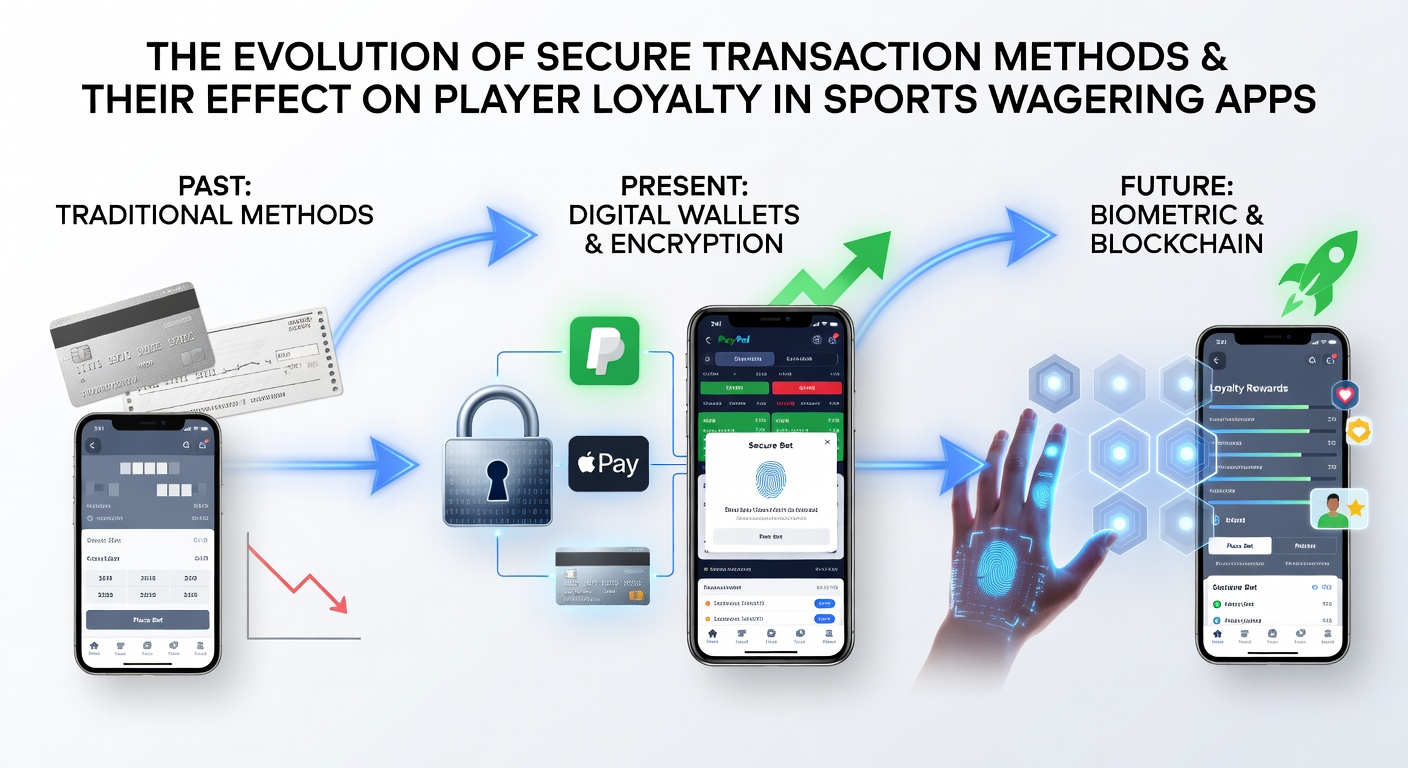
The Evolution of Secure Transaction Methods and Their Effect on Player Loyalty in Sports Wagering Apps
Secure transaction methods in sports wagering apps have shifted dramatically since the early 2000s when credit card processing dominated most platforms and wire transfers handled larger sums despite delays that stretched several business days. Those initial systems relied on basic encryption standards that left room for fraud while forcing users to wait for manual approvals. Observers note that these frictions often led players to abandon accounts after a single payout request went awry.
From Credit Cards to Digital Wallets
Payment processors introduced e-wallets such as Neteller and Skrill in the mid-2000s and these services reduced transaction times to hours rather than days while adding an extra verification layer between bank accounts and betting platforms. Data from industry tracking firms shows that apps adopting these wallets early recorded higher repeat deposit rates within the first six months of implementation. Regulatory bodies in various states required additional identity checks that further strengthened security yet occasionally slowed onboarding for new users.
By 2015 mobile apps began integrating instant bank transfers through services like ACH and later open banking protocols that allowed direct account linkage without sharing card details. Those who've tracked user behavior patterns report that deposit success rates climbed above 95 percent on platforms that streamlined these connections and reduced declined transactions. The same period saw the first widespread adoption of two-factor authentication tied directly to payment flows and this combination cut chargeback incidents significantly across major operators.
Cryptocurrency and Blockchain Integration
Bitcoin entered sports wagering around 2013 and several apps quickly added it as an option for users seeking faster cross-border movement and lower fees compared with traditional rails. Ethereum and stablecoins followed and by 2020 many platforms offered crypto wallets with built-in conversion tools that shielded players from volatility during cashouts. Research indicates that apps supporting multiple cryptocurrencies saw elevated loyalty metrics because users valued both speed and privacy features that traditional methods could not match.
Blockchain technology added verifiable transaction ledgers that let players confirm payout status independently without contacting support teams. This transparency proved especially useful in markets where regulatory oversight varies and observers have documented lower dispute volumes on platforms that publish on-chain records. As of May 2026 several operators report that crypto-based accounts represent a growing share of total handle with retention rates exceeding those of credit card users by measurable margins.
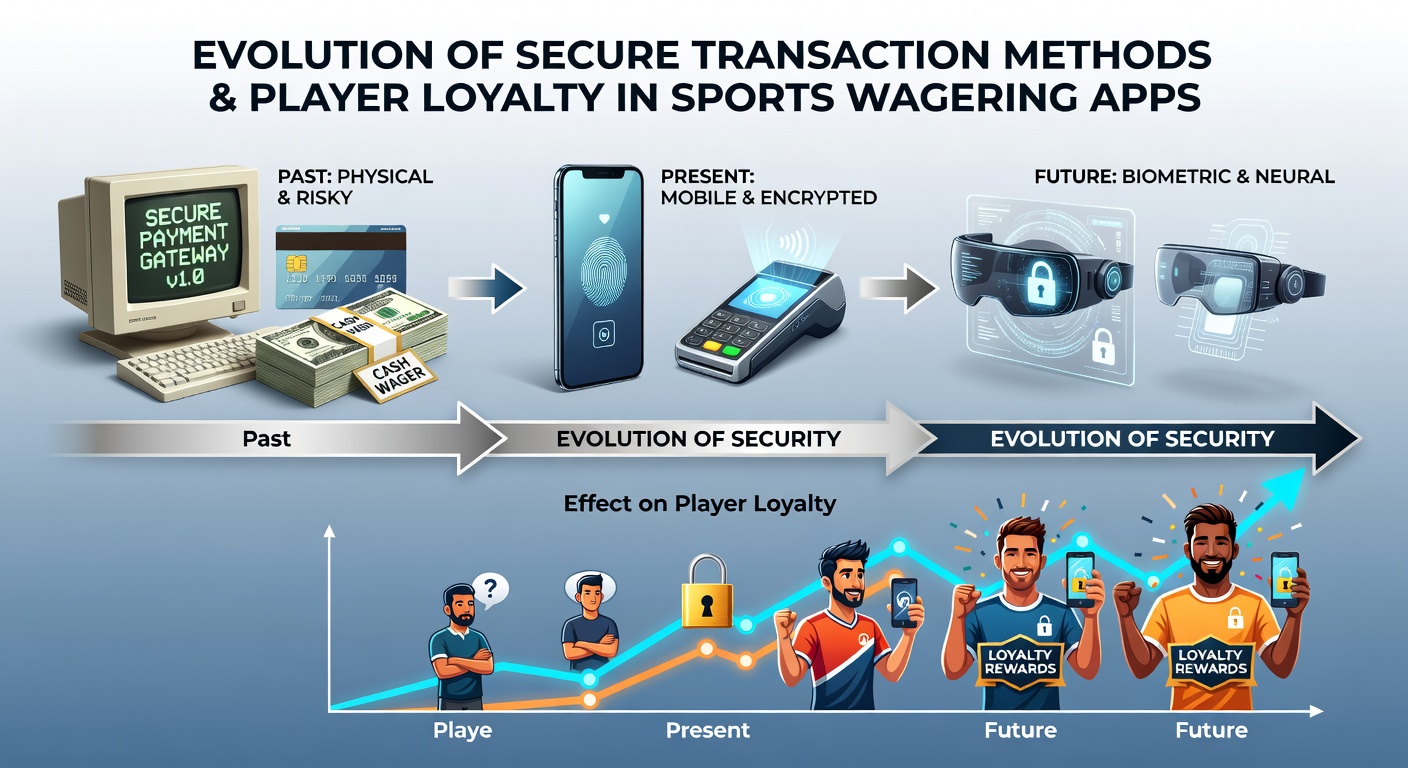
Biometrics and Real-Time Verification
Facial recognition and fingerprint scanning entered mainstream betting apps after 2018 and these tools replaced repetitive password entry during both deposits and withdrawals. The technology links device hardware directly to account verification which reduces account sharing while speeding up each transaction. Figures from app analytics platforms reveal that biometric-enabled users complete cashouts 40 percent faster on average than those relying on manual codes.
Instant payout features emerged around the same time and operators began offering same-day bank transfers or even real-time digital wallet credits once identity checks cleared. According to reports compiled by the American Gaming Association these features correlate strongly with longer account lifespans and higher lifetime value per player. Apps that guarantee withdrawal processing within minutes rather than hours consistently rank higher in user surveys focused on trust and reliability.
Measuring the Impact on Player Loyalty
Retention data collected across multiple jurisdictions shows that platforms investing early in layered security protocols retain users at rates roughly 25 percent higher than competitors who lag behind. Players who experience seamless deposits and rapid verified withdrawals tend to consolidate activity within a single app rather than spreading bets across several sites. This consolidation effect strengthens operator revenue while lowering marketing costs associated with reacquiring churned accounts.
Case studies from operators in regulated North American markets demonstrate that loyalty program participation rises when transaction security includes real-time fraud alerts and automated spending limits. Users receive notifications the moment unusual activity appears and this proactive stance builds confidence that encourages continued engagement. Data shows these combined features reduce voluntary account closures tied to security concerns by notable percentages.
What's interesting is how geographic differences in regulation have shaped the pace of adoption with some regions requiring stricter multi-factor protocols that ultimately produced higher baseline trust levels among local players. Meanwhile markets that moved quickly toward crypto and open banking protocols report faster growth in active user bases during the same periods.
Conclusion
The progression from basic card processing to integrated biometric and blockchain systems has created measurable advantages for sports wagering apps that prioritize secure efficient transactions. Players respond to reduced friction and verified speed by maintaining longer relationships with those platforms and operators continue to refine these tools as new technologies become available. Continued regulatory alignment across regions will likely accelerate further improvements while preserving the security standards that support sustained user loyalty.