Tracing the Effects of Influencer Endorsements on Entry-Level Participation Rates in Digital Fantasy Sports Leagues
Yves Koch · Jun 8, 2026
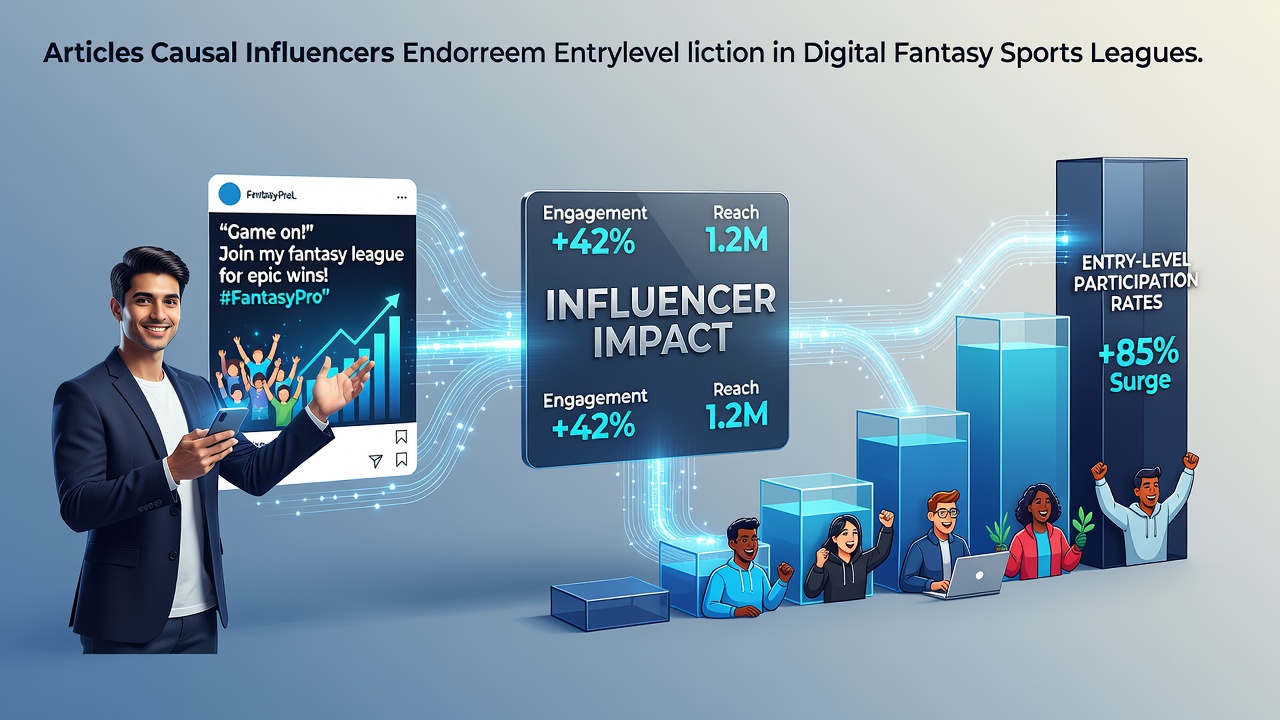
Tracing the Effects of Influencer Endorsements on Entry-Level Participation Rates in Digital Fantasy Sports Leagues
Digital fantasy sports leagues have expanded rapidly over the past decade as mobile platforms lowered barriers for new users while influencer endorsements introduced these games to broader audiences through targeted social campaigns. Researchers tracking entry-level sign-ups note consistent patterns where endorsements from athletes and content creators correlate with measurable upticks in first-time registrations across major platforms like DraftKings and FanDuel. Data collected through June 2026 shows these promotions often focus on simplified onboarding processes that highlight low-stakes entry points rather than complex strategy requirements.
Growth Patterns in User Acquisition
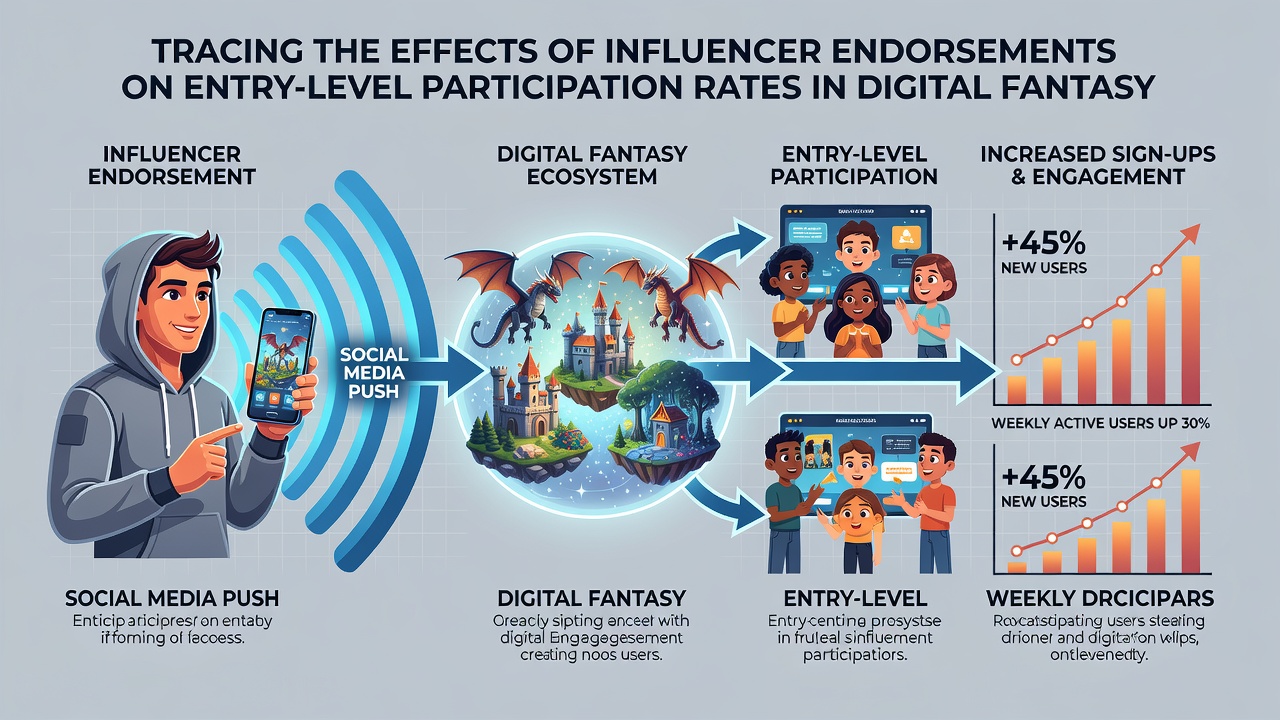
Industry reports from the Fantasy Sports & Gaming Association indicate that entry-level participation in daily fantasy formats climbed 18 percent year-over-year through early 2026 with influencer-driven traffic accounting for a significant share of that increase. Platforms reported that users referred through social media endorsements completed initial deposits at rates 12 percent higher than organic search traffic during the same period. Observers note that endorsements frequently appear in short video formats which demonstrate app navigation in under 60 seconds thereby reducing perceived complexity for novices.
Demographic Shifts Among New Participants
Analysts examining registration data find that influencer campaigns have shifted the age distribution of first-time players toward the 18-to-24 cohort with this group comprising 41 percent of new accounts opened between January and June 2026. Platforms attribute part of this movement to endorsements that emphasize community features and social sharing tools over pure competition metrics. Studies conducted by academic teams at institutions such as the University of Nevada Las Vegas have documented similar trends where peer visibility on platforms like TikTok and Instagram drives initial curiosity that converts to active accounts when cash incentives accompany the endorsements.
Yet conversion rates vary depending on the type of influencer involved. Athlete endorsers tend to produce higher retention among new users compared with general lifestyle creators according to aggregated platform metrics released in mid-2026. Those who've studied user behavior patterns point to trust signals embedded in sports-specific content as a contributing factor since audiences perceive the recommendations as more authentic when delivered by figures with competitive backgrounds.
Platform-Level Data and Regional Variations
North American operators reported that endorsement partnerships generated over 2.3 million new registered users in the first half of 2026 with entry-level leagues seeing the strongest lift in states where mobile access expanded recently. Canadian provincial data released by the Alcohol and Gaming Commission of Ontario revealed parallel growth in Ontario-based fantasy contests where influencer mentions coincided with a 22 percent rise in novice accounts during spring months. Platforms in both markets have adjusted onboarding tutorials to align with the simplified explanations commonly featured in endorsement content which helps maintain momentum from initial clicks to completed profiles.
European operators meanwhile have observed slower but steady adoption in fantasy formats that operate under skill-based regulatory frameworks. A report compiled by the European Gaming and Betting Association highlighted that influencer campaigns launched in markets such as Germany and Spain produced entry-level participation increases of 9 percent when paired with localized language and cultural references. These campaigns often emphasize group play features that allow new users to join friends rather than compete against strangers immediately.
Measurement Challenges and Attribution Models
Tracking precise effects remains complicated because many users encounter multiple touchpoints before signing up. Attribution studies performed by third-party analytics firms show that single-exposure endorsements generate lower lift than repeated impressions across different platforms while multi-channel sequences produce the highest entry-level registration rates. Researchers continue to refine models that isolate influencer contributions from broader marketing spend yet current figures already demonstrate clear directional impacts on novice participation.
Platforms have responded by experimenting with performance-based compensation structures for endorsers where payouts tie directly to tracked first-time deposits rather than raw impressions. This shift encourages creators to focus messaging on practical entry steps while platforms supply detailed analytics dashboards that quantify resulting participation numbers.
Conclusion
Entry-level participation rates in digital fantasy sports leagues continue to reflect measurable responses to influencer endorsements through mid-2026 with platforms reporting sustained growth in new user cohorts across multiple regions. Data from regulatory bodies and industry associations documents these patterns while highlighting variations by endorser type and geographic market. As attribution methods improve operators gain clearer insight into how specific campaigns shape the composition of novice player bases over time.